
The rapid shift from linear automation to autonomous "agents" has made the technical landscape feel crowded and, at times, contradictory. We have moved past the era of simple triggers; we are now building systems that can reason through goals, select their own tools, and correct their own mistakes.
However, the "best" tool is no longer a matter of popularity, it is a matter of architecture. Depending on whether you prioritize data sovereignty, ease of deployment, or deep custom logic, your choice will shift.
Here is a look at the five platforms currently defining how agents are built and deployed.
1. n8n: For Data Sovereignty and Technical Control
If your primary concern is where your data lives and how much each execution costs, n8n remains the standard. It occupies the space between no-code and traditional engineering.
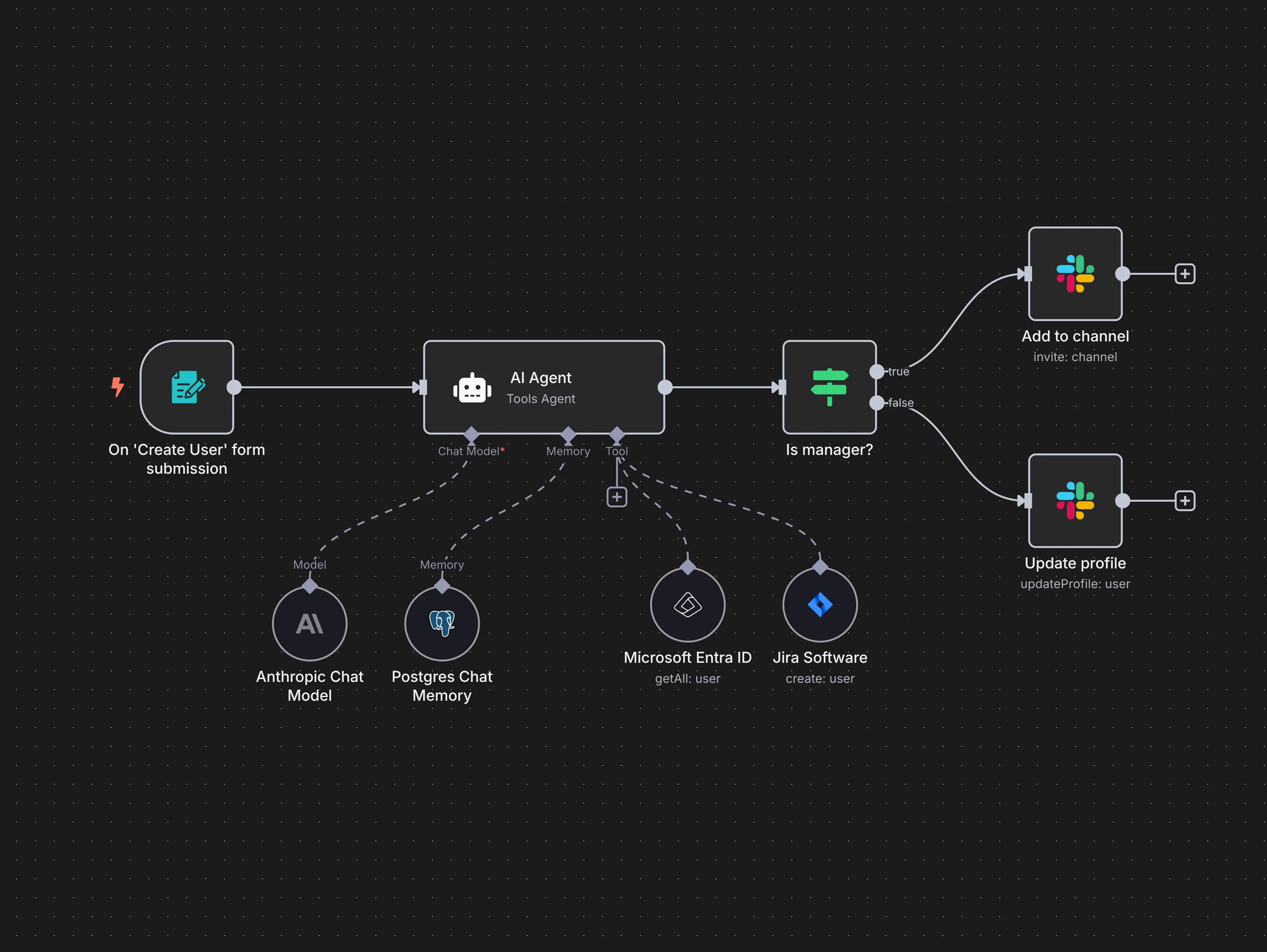
The introduction of the AI Agent node changed the platform from a simple switchboard into a reasoning engine. You can equip an agent with specific tools, like a custom API or a database, and the model will decide when and how to call them.
- When to use it: You need to build complex, back-end automations that connect to hundreds of different apps, but you want to self-host the entire system for privacy or compliance reasons.
2. Make.com: For Rapid Scaling and Visual Clarity
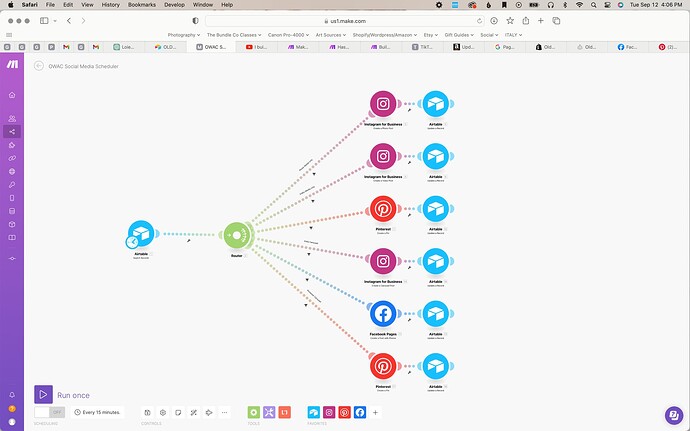
Make is the most intuitive platform for those who need to map out sophisticated business logic without getting lost in code. Its signature visual interface provides a level of observability that few other tools can match.
While n8n is more developer-centric, Make excels at integration breadth. With over 2,000 native connectors, it is the most efficient way to build agents that need to interact with a massive variety of SaaS tools. Their recent agentic updates allow for more fluid, less rigid workflows than traditional automation.
- When to use it: You are an operations lead or business owner who needs to connect a wide array of marketing, sales, or support tools quickly and visually.
3. Dify.ai: For Application-Ready AI Products
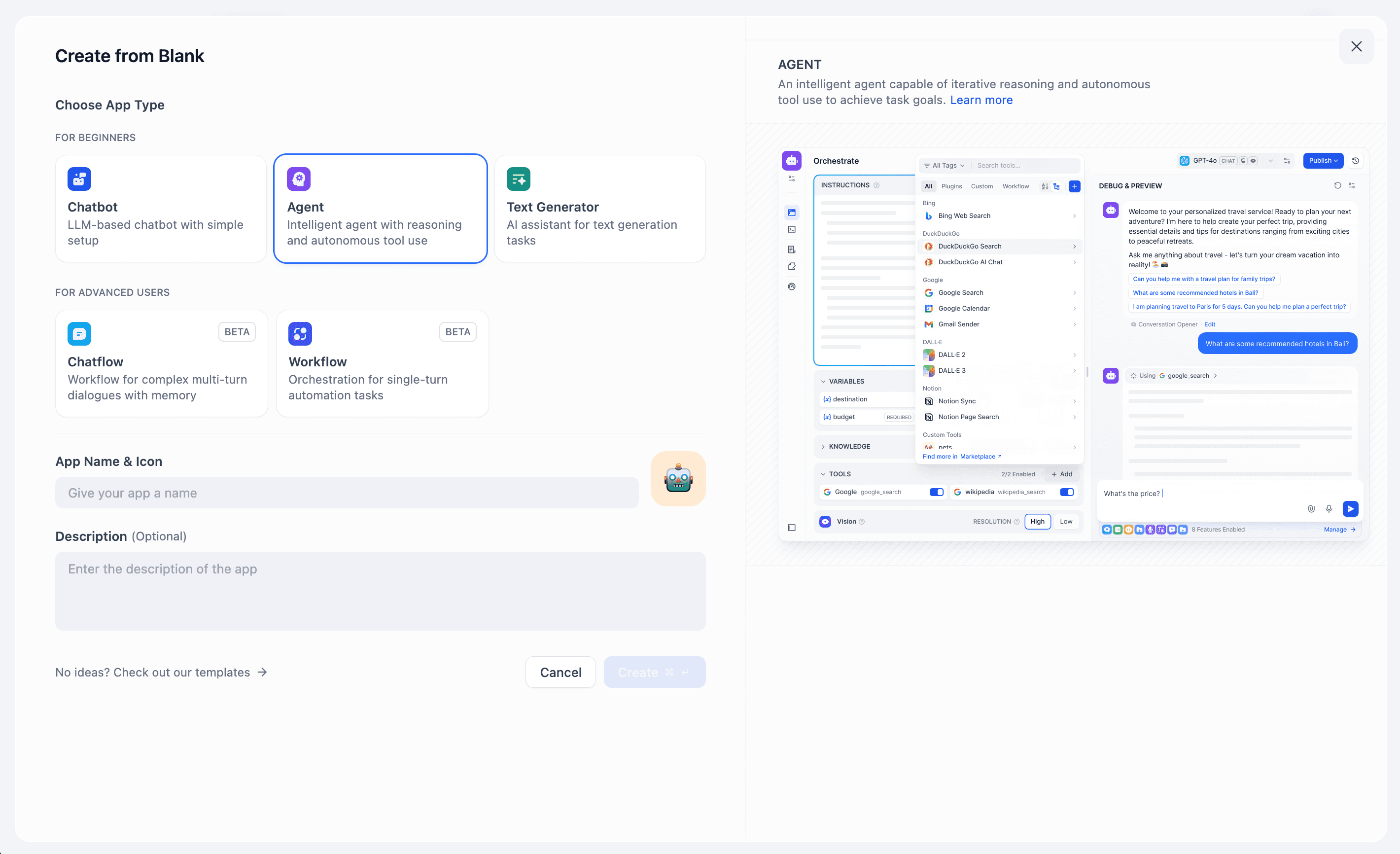
Dify is an open-source platform that functions more like a "Backend-as-a-Service." While other tools focus on the workflow, Dify focuses on the application.
It handles the heavy lifting of AI infrastructure, managing vector databases for "Knowledge" (RAG), tracking conversation history, and providing a ready-made chat interface. You aren't just building a background process; you are building a tool that a human can interact with immediately.
- When to use it: Your goal is to deploy a polished, customer-facing or internal-facing AI assistant that has deep access to your own documents and data.
4. OpenAI AgentKit: For Ecosystem-Native Performance
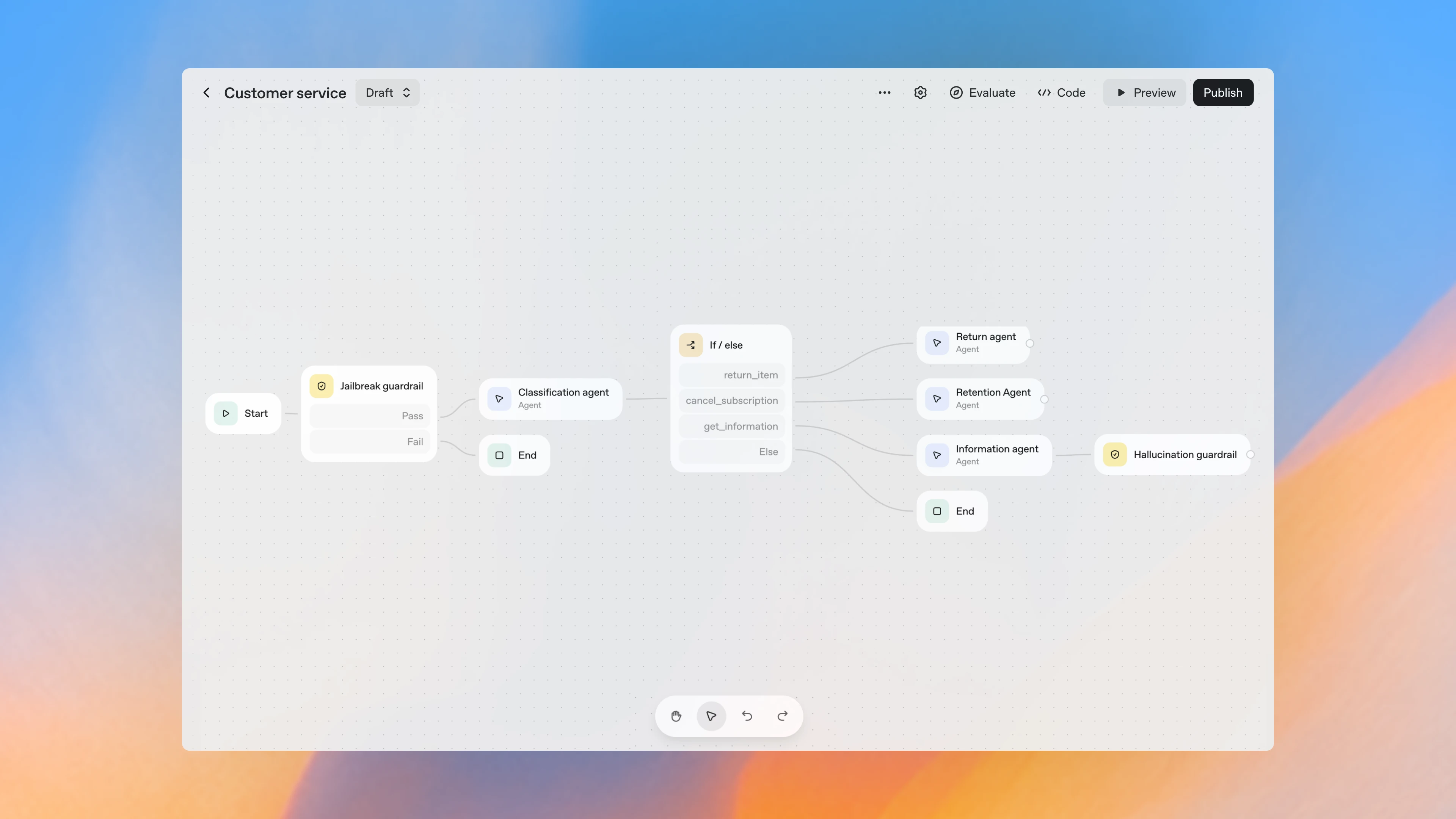
If your organization is already standardized on OpenAI’s infrastructure, AgentKit (or the Agents SDK) offers the path of least resistance. It is an opinionated, high-performance toolkit designed specifically for the GPT ecosystem.
What sets this apart is the built-in focus on evaluation and safety. It includes frameworks to "grade" your agent’s performance and native guardrails to prevent it from going off-track. It is streamlined, highly optimized, and includes "ChatKit" for easy frontend embedding.
- When to use it: You want to move from prototype to production as fast as possible using OpenAI’s latest models and value built-in safety features over model flexibility.
5. Zapier: For Broad Integrations and Simple AI Workflows
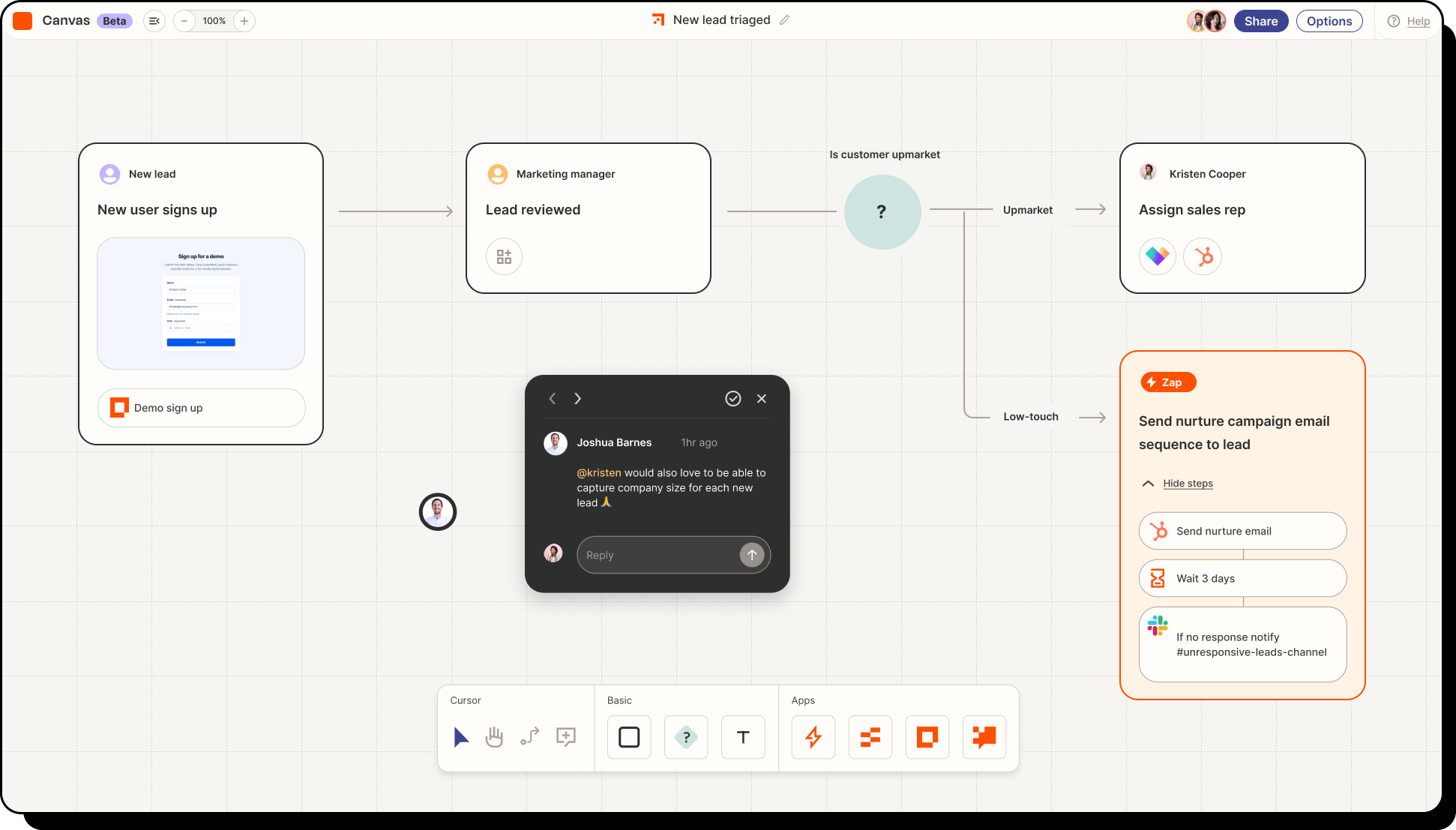
Zapier is one of the most established automation platforms, letting you connect thousands of apps and services through simple triggers and actions in a visual builder. It recently added AI-assisted workflow creation and “Canvas,” a drag-and-drop diagramming tool that helps you design, visualize, and manage complex logic without code. You can use built-in AI steps to interpret natural language and build or debug workflows, lowering the barrier for non-technical users.
- When to use it: You need a simple, reliable, widely adopted no-code platform that integrates deeply with mainstream apps, and you want to add basic AI logic into cross-app automations without writing code. Zapier is ideal for marketing, ops, and business teams that want broad connectivity and an easy visual interface.
Building an agent is no longer just about the "brain" (the model); it is about the "nervous system" (the tool) you choose to run it. Whether you need a simple assistant or a deep-logic researcher, the current market finally has a solution for every level of technical maturity.
Inspire Others – Share Now
Agentic AI Saksham
India’s Only 1st Ever Offline Hands-on program that adds 4 Global Certificates while making you a real engineer who has built their own AI Agents
EV
Saksham
India’s Only 1st Ever Offline Hands-on program that adds 4 Global Certificates while making you a real engineer who has built their own vehicle
Agentic AI LeadCamp
From AI User to AI Agent Builder — Capabl empowers non-coding professionals to ride the AI wave in just 4 days.
Agentic AI MasterCamp
A complete deployment ready program for Developers, Freelancers & Product Managers to be Agentic AI professionals
Table of Contents